
TouchHue 博客
家具视觉策略、工作流与应用场景
阅读关于高级场景图、产品图工作流、广告素材、商品页辅助图与顾客空间预览的实战文章。
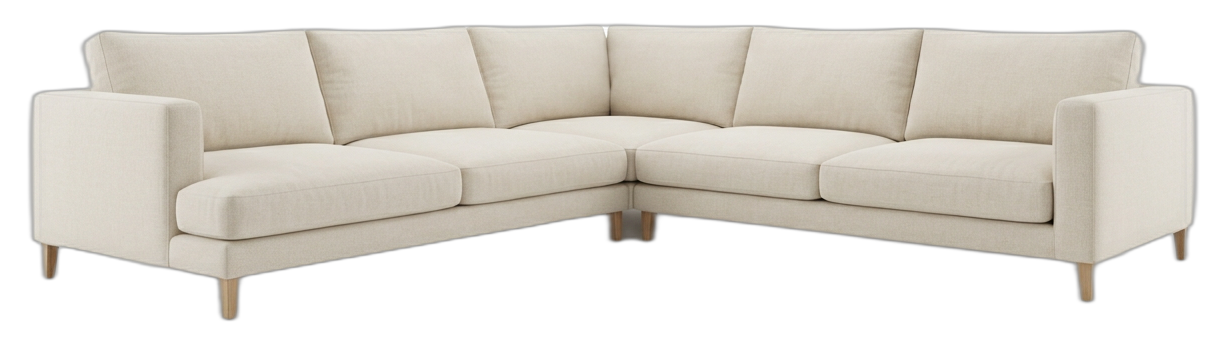
How to Prepare Furniture Product Images for AI Room Scene Generation
A furniture product image becomes usable for AI room scenes when it preserves silhouette, scale, material cues, and a believable main angle before scene generation begins.
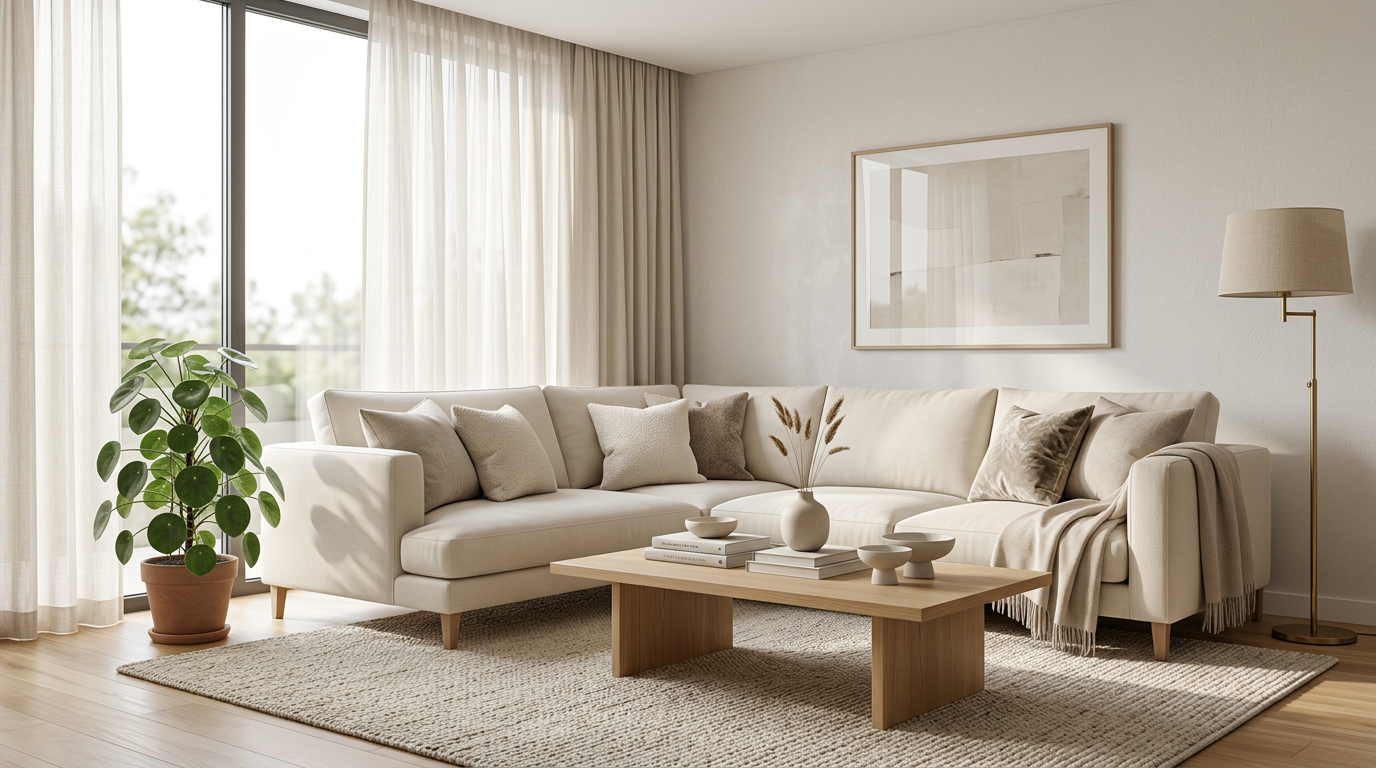
How to Recover Furniture Cutouts with Missing Edges or Partial Occlusion
Recoverable cutout issues are usually small edge losses and minor overlap, not missing core structure; the key is knowing what can still support a believable commercial result.
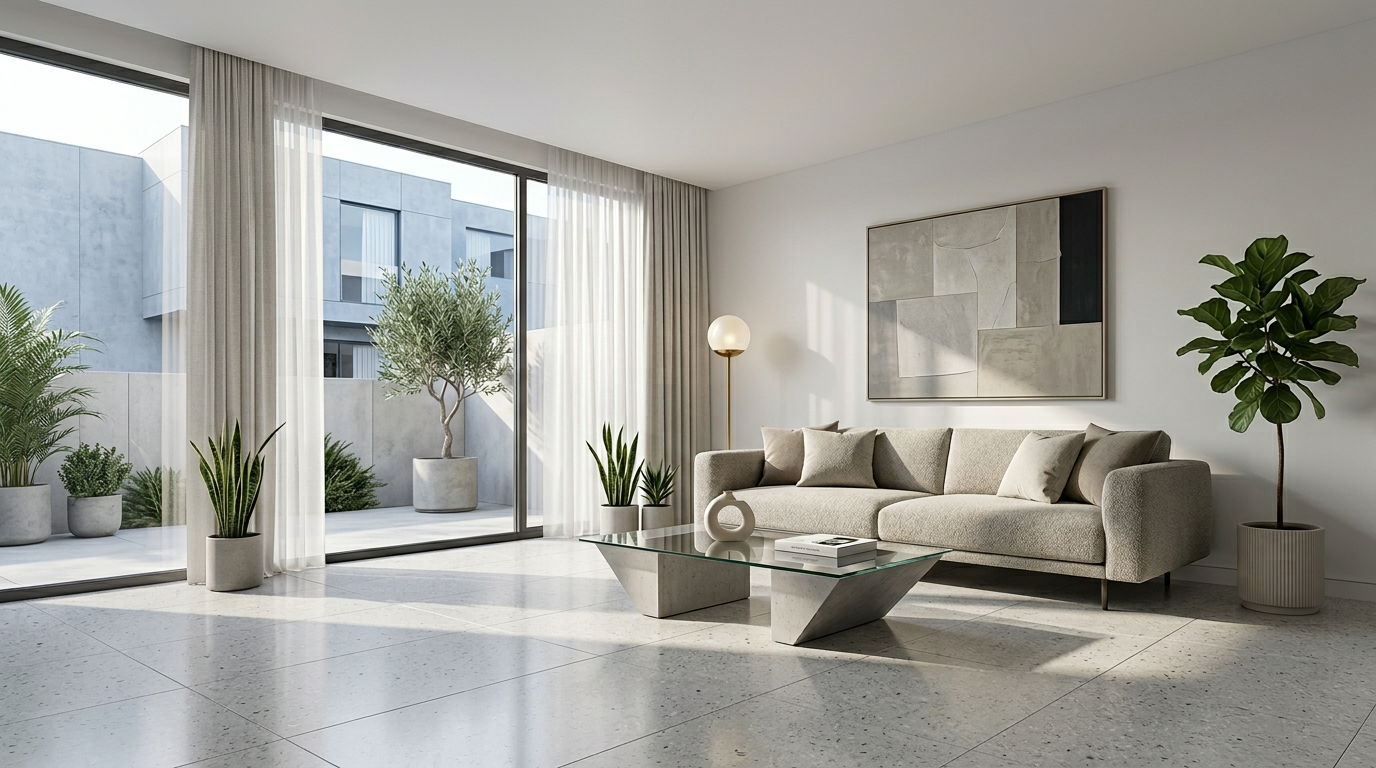
How Furniture Sellers Can Turn On-Site Product Photos Into Premium Room Scenes Fast
Showroom, warehouse, and store photos can become premium room scenes fast when the source image is captured cleanly and the workflow focuses on cutout quality, scene lock, and controlled refinement.
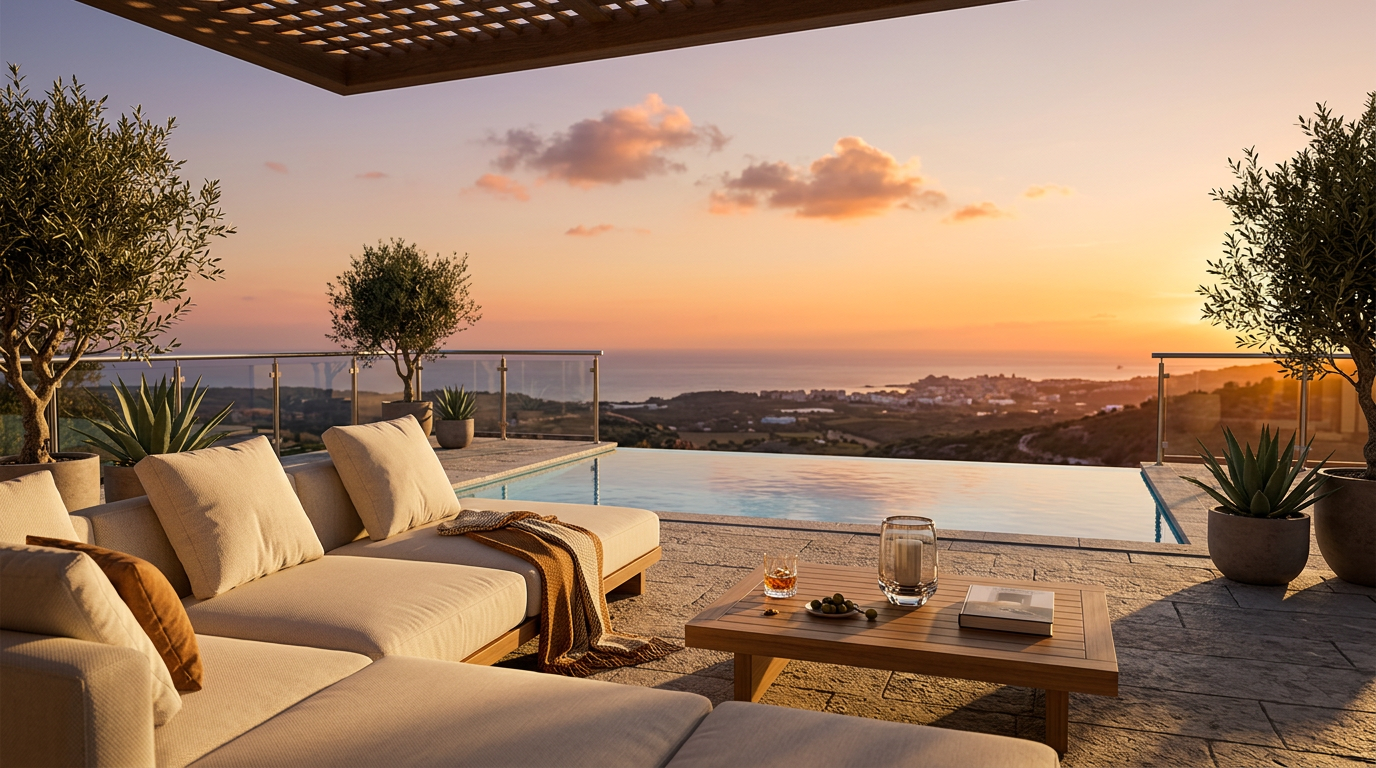
How to Use One Furniture Photo to Create Multiple Consistent Scene Views
One furniture photo can support multiple commercial scene views when the workflow protects product identity, material cues, and scene continuity from the start.
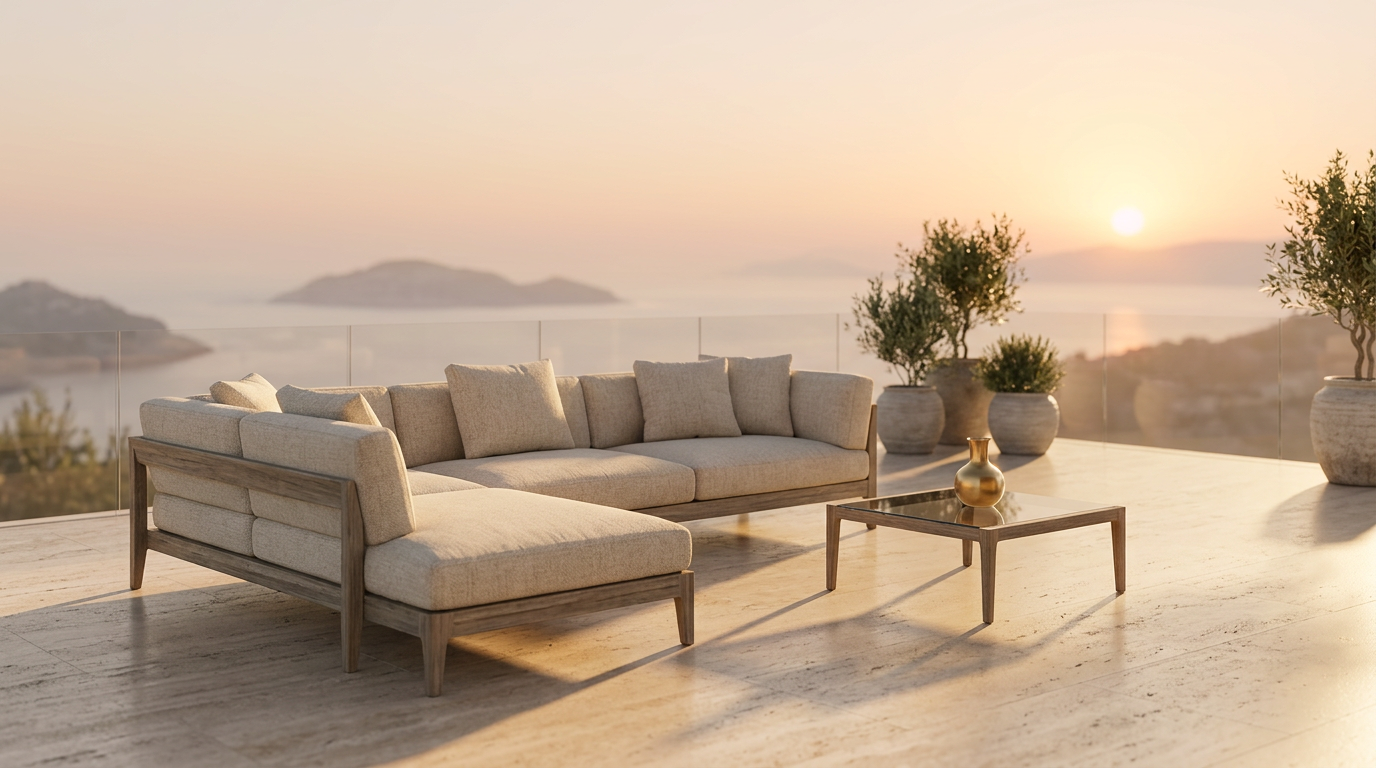
How to Turn One Furniture Product Image Into Multiple Campaign Assets
One furniture product image becomes a useful campaign system only when each derivative asset answers a different job instead of repeating the same hero in new formats.
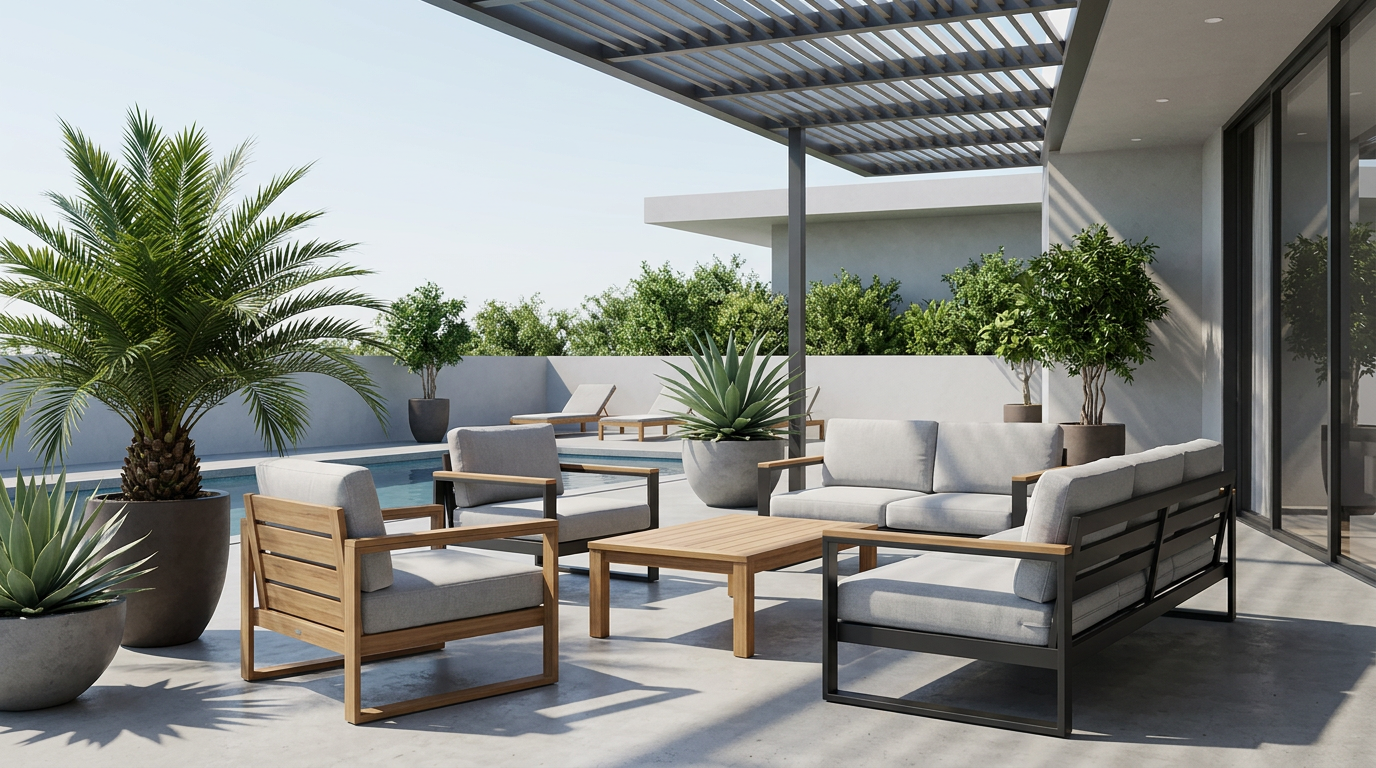
Furniture Photoshoot vs AI Product Visual Workflow: What Actually Saves Time?
For most furniture teams, the real choice is not photoshoot versus AI. It is whether the job requires new proof or faster extension from an already approved product image.
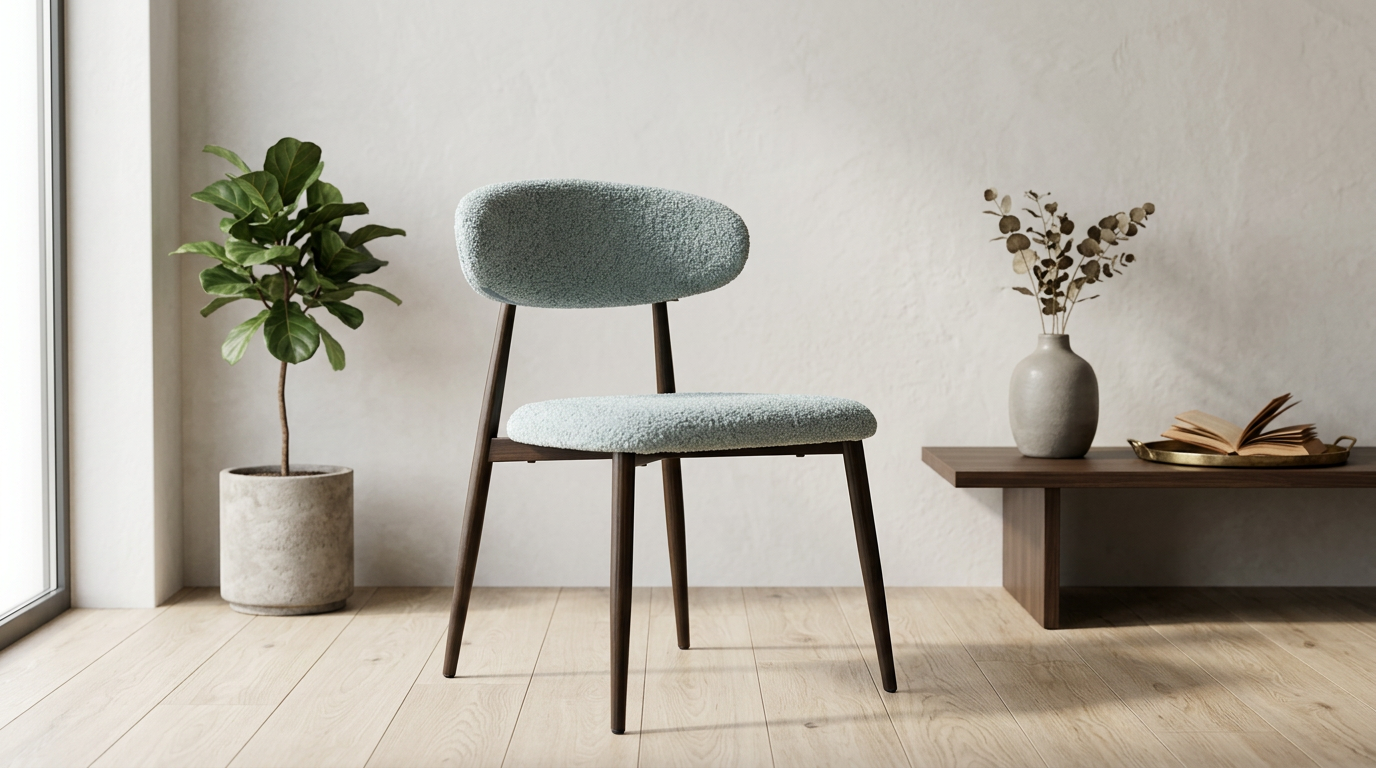
How to Create Supporting Product Shots for Furniture PDPs
What supporting product shots for furniture PDPs are actually supposed to do, which three images matter most after the hero, and how to plan them without wasting production effort.
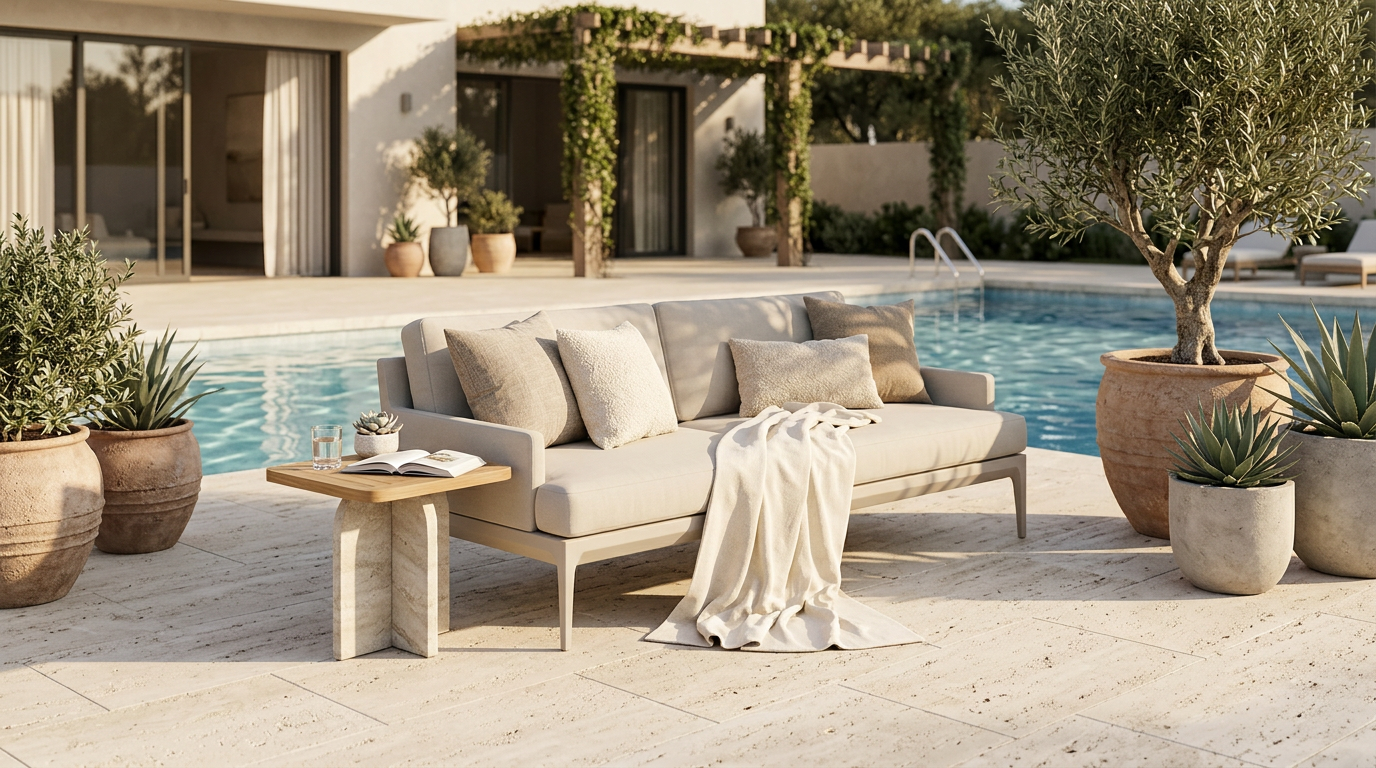
How to Create Furniture Hero Images Without a Full Photoshoot
A furniture hero image works without a full photoshoot only when it still proves three things clearly: scale, material, and product focus.